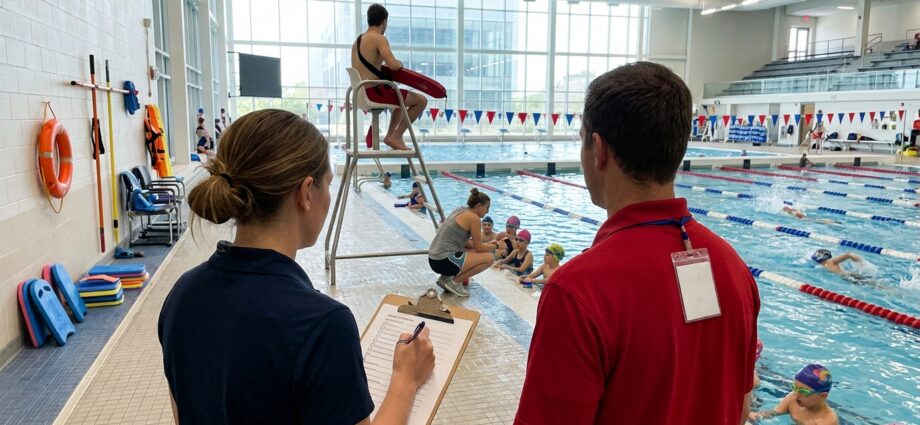
Water activities offer children remarkable opportunities to build physical strength, gain confidence, and develop lifelong friendships. Whether a child joins a beginner swim class at a local community center, attends a summer day camp with pool privileges, or trains with a neighborhood recreation team, aquatic sports are a staple of youth enrichment. However, because water environments carry inherent risks, parents and guardians must look beyond the excitement of splash sessions to evaluate the underlying safety measures in place.
Entrusting a child to an organized swimming program requires a clear understanding of how facilities operate. Behind every safe swimming lesson or pool session is a network of administrative standards, staff training routines, and proactive supervision strategies. When parents understand what makes an aquatic program dependable, they can make informed decisions that protect their children while supporting their athletic and social growth.
Understanding Community Aquatic and Swimming Standards
Aquatic education differs significantly from standard classroom learning because environmental hazards require immediate and constant vigilance. A reputable program never relies on casual assumptions or informal agreements regarding child safety. Instead, established organizations follow structured guidelines that define how instructors manage group dynamics, identify fatigue or distress in swimmers, and maintain order on the pool deck.
These operational frameworks reflect broader principles of responsibility and oversight in youth education. When evaluating any childcare or recreational environment, families benefit from understanding how basic institutional duties protect young participants from preventable harm. Just as parents examine classroom protocols, reading about childhood rights in early programs helps illustrate how consistent institutional oversight safeguards young learners in every developmental setting. In aquatic programs, this principle translates into visible supervisor presence, well-defined safety rules, and an environment where child well-being always takes precedence over program convenience.
Furthermore, community standards must account for swimmers of varying skill levels. A pool deck that hosts both toddler splash lessons and advanced youth swim team practices needs clear operational boundaries. Program coordinators should ensure that different groups do not interfere with one another, preventing accidental collisions and ensuring that lifeguards maintain clear lines of sight across all active water zones.
Essential Policy Frameworks for Youth Water Activities
A well-run aquatic center operates under transparent, written rules that govern daily activities and address potential emergencies. These policies are not merely administrative paperwork; they are the active blueprint for how staff members interact with children and respond under pressure. Essential policies cover instructor-to-child ratios, swimmer assessments, sanitization routines, and precise emergency action protocols.
The development of effective organizational guidelines requires thoughtful planning and an awareness of institutional responsibility. Organizations frequently consult established governance models and references such as policydevelopment.org when drafting comprehensive operational procedures that ensure accountability, protect participant safety, and establish clear operational benchmarks. When an aquatic center builds its operating procedures around rigorous policy design, staff members understand their roles clearly, and parents can trust that safety is treated as an active discipline rather than an afterthought.
A fundamental element of a strong aquatic policy is the mandatory swim skill evaluation. Before any child is permitted into deeper water or allowed to participate in unstructured free swim, certified staff must evaluate their comfort and ability. If a program allows children to enter deep areas without an initial assessment, parents should view this as a significant lapse in operational discipline. Structured evaluations ensure that young swimmers remain in zones appropriate for their abilities, dramatically reducing the risk of unexpected distress.
Navigating Specialized Risks and Equipment Safety
As children progress in water sports, they often encounter specialized equipment and activities that present distinct considerations. Diving boards, starting blocks, water slides, and deep-water training zones introduce unique physical factors that require strict supervisory techniques and specialized structural maintenance. Proper supervision around these stations requires dedicated personnel who focus exclusively on one activity at a time.
Because diving areas and elevated platforms involve specific dynamics of depth, entry trajectory, and clearance, facility managers must adhere strictly to established architectural and operational parameters. Understanding how facility design standards, coaching protocols, and recreational duties intersect can be complex. Parents and program leaders seeking educational clarity on these institutional obligations often reference insights from a Diving Legal Consultant to better appreciate how safety principles apply to high-impact aquatic environments. When programs respect these specialized operational standards, they create environments where children can explore new athletic challenges responsibly.
In addition to structural parameters, equipment maintenance policies should include routine daily inspections. Diving board surfaces, handrails, ladders, starting platforms, and anti-slip deck coatings must be checked for wear, corrosion, or instability before children enter the facility. Parents should feel comfortable asking how often equipment is inspected and what criteria trigger immediate repairs or temporary closures.
Practical Steps for Evaluating an Aquatic Program
Before finalizing enrollment in any youth swimming school, camp, or recreation league, parents should conduct their own firsthand evaluation. Visiting a facility during normal operational hours provides an accurate picture of how policies translate into daily practice. Watching an active session reveals whether instructors maintain focus, whether lifeguards remain vigilant, and how the staff handles unexpected situations.
To help guide your assessment, consider this checklist of foundational safety inquiries when visiting a prospective aquatic center:
- Observe whether lifeguards remain attentive on their stands without distractions such as personal mobile devices or casual conversation.
- Ask the program director to verify the current rescue, first aid, and instructional certifications held by the coaching staff.
- Confirm that the facility maintains a documented emergency action plan and conducts regular staff response drills.
- Inspect the physical environment to ensure clear depth markers, secure perimeter gates, and clean, slip-resistant pool deck surfaces.
- Verify that the program enforces mandatory swim skill checks before allowing children into deep water or recreational zones.
These observational steps allow families to identify programs that prioritize active supervision over passive oversight. A high-quality facility will welcome parental inquiries and demonstrate pride in its safety protocols. If an administrator appears dismissive or cannot readily explain their emergency procedures, that response serves as a clear warning sign.
Fostering Constructive Partnerships with Instructors
Safety is an ongoing collaboration between families and program leaders. Open, respectful communication between parents and aquatic staff creates a supportive atmosphere where children can learn with confidence. When parents share relevant details about their child—such as prior water experiences, specific apprehensions, or attention needs—instructors can tailor their approach to ensure a secure and encouraging learning environment.
Parents can also reinforce program safety rules at home by talking with their children about pool deck etiquette. Explaining the importance of walking on wet surfaces, listening attentively to lifeguards, and respecting designated swimming boundaries helps children become active participants in their own safety. When lessons learned at home align with the instructions given at the pool, children develop strong habits that protect them throughout their lives.
Sustaining Community Awareness and Program Oversight
Community engagement plays a vital role in maintaining high standards across local recreational facilities. When parents actively participate in parent advisory committees, attend seasonal orientations, and report observed hazards promptly, they contribute to the overall well-being of all participating children. Facilities thrive when their surrounding communities demonstrate a shared commitment to excellence and vigilance.
Choosing the right aquatic program provides children with invaluable physical skills, social confidence, and a deep appreciation for healthy recreation. By taking time to investigate facility guidelines, observe active supervision, and engage directly with program leadership, parents can ensure that their children enjoy all the benefits of water sports within a secure and well-managed environment.