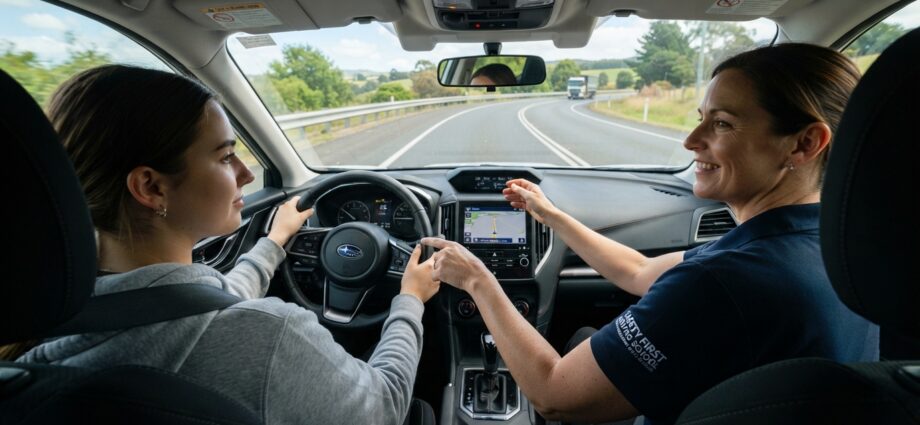
Children watch how adults navigate the world long before they sit in the driver’s seat. From the back seat of a family car or while holding a guardian’s hand at a crosswalk, young learners observe how drivers respond to traffic, sound, and speed. Developing healthy road respect starts during these formative years, providing a foundation that shapes how children perceive personal responsibility, community well-being, and physical risk.
As children grow into teenagers, their curiosity about transportation often shifts from simple observation to an active interest in mechanical power and personal independence. Fast cars, loud engines, and sleek motorcycles regularly capture young imaginations through television, video games, and neighborhood sightings. Rather than dismissing this fascination or treating it purely as a hazard, parents and educators can channel this natural enthusiasm into productive discussions about road safety, situational awareness, and mutual consideration.
Understanding the Natural Appeal of Vehicle Performance
It is entirely normal for young people to be drawn to mechanical velocity and eye-catching vehicles. Motion, acceleration, and vibrant engineering represent freedom and mastery over complex technology. When children see a high-performance machine glide down a boulevard or roar around a closed track, they often view it through the lens of adventure rather than danger.
Guiding young minds requires acknowledging this enthusiasm while gently separating fantasy from everyday reality. In video games and movies, high-speed maneuvers carry no physical consequences. Vehicles crash, reset instantly, and continue without injury or property loss. In the real world, physics and human reaction times operate under unforgiving rules. Parents can explain that true driving skill is not measured by rapid acceleration, but by steady judgment, patience, and the ability to anticipate hazards before they unfold.
Exploring the engineering side of transportation can also redirect adrenaline-seeking impulses toward healthy curiosity. Asking children how braking systems function, why tires require tread for wet pavement, or how safety frames absorb impact turns an obsession with raw speed into an appreciation for safety design. This transition helps young people respect the immense responsibility that comes with operating any motorized machine.
Distinguishing Controlled Environments from Public Roadways
One of the most effective ways to nurture road respect is to teach children the difference between closed recreational venues and public thoroughfares. Professional drivers and motorsport enthusiasts operate in closely monitored settings complete with specialized safety barriers, emergency crews, and rigid rules. Public streets, by contrast, are shared spaces where children ride bicycles, families push strollers, and delivery vans make sudden stops.
When young people encounter media featuring extreme speed, such as coverage of what enthusiasts celebrate as a World Fastest Motorcycle, guardians can use the moment to initiate an open dialogue. Discussing why specialized machines belong on dedicated salt flats or racing tracks helps teenagers understand that extreme performance is an engineered pursuit requiring rigorous training, not an activity for suburban neighborhoods or crowded highways.
These conversations also offer an opportunity to discuss vulnerability on the road. Motorcyclists and cyclists face significant physical exposure compared to individuals inside enclosed passenger cabins. Reminding youth that sharing the road means actively looking out for more vulnerable travelers builds empathy. When young people realize that high speeds diminish a driver’s peripheral vision and lengthen stopping distances, they begin to appreciate why speed regulations exist in community zones.
Involving Older Children in Family Vehicle Decisions
As teenagers approach the age of obtaining a learner’s permit, involving them in family automotive discussions creates valuable learning moments. Many young drivers focus heavily on visual appeal, sporty trims, or exterior flair. While an interest in aesthetics is completely natural, parents can use this phase to demonstrate how practical households balance personal style with structural reliability and visibility.
When researching vehicle options or learning how enthusiasts evaluate different models, browsing resources like Monotukuru can provide insight into how motorists select cars that reflect their interests while meeting lifestyle requirements. Parents can review these perspectives alongside teenagers, prompting discussions on whether a particular model offers adequate sightlines, reliable handling, and manageable upkeep for daily family travel.
Engaging youth in this evaluation process demystifies vehicle ownership. Instead of viewing a car simply as a status symbol or a toy, teens learn to inspect tire condition, cargo space, blind-spot monitoring, and passenger comfort. This analytical mindset encourages responsible decision-making that will guide their personal purchasing choices as they transition into independent adulthood.
Daily Habits That Build Lifelong Situational Awareness
Developing road sense does not happen overnight in a classroom; it develops through repetitive, daily observations during routine errands and school commutes. Parents can actively engage passengers of all ages by verbalizing driving thoughts, explaining why they are slowing down near an obstructed intersection or giving wide clearance to a parked delivery truck.
In addition to active driving habits, demonstrating proper care of the family vehicle reinforces that safety is an ongoing commitment. Reviewing our earlier advice on practical vehicle safety and maintenance routines can help families establish reliable maintenance schedules that keep everyone secure on daily routes.
Families can reinforce street awareness by practicing several straightforward habits together:
- Scanning crosswalks and driveway aprons for pedestrians, pets, and cyclists before moving forward.
- Observing road surface conditions, such as wet leaves or gravel, and discussing how they affect tire traction.
- Identifying blind spots around larger vehicles to understand where smaller cars and bikes might disappear from view.
- Verifying that every passenger secures their seatbelt properly before the vehicle begins rolling.
These brief, consistent check-ins turn everyday family errands into practical masterclasses in situational awareness. Over time, children internalize these precautions, allowing defensive driving instincts to develop naturally long before they ever take control of a steering wheel.
Building a Culture of Road Safety Within the Community
Road safety extends far beyond the perimeter of an individual household. When parents connect with neighbors, school administrators, and youth groups, they help create a supportive community network that reinforces safe commuting standards. Organizing walking school buses, advocating for clear school-zone signage, and modeling courteous driving around local parks demonstrate collective responsibility in action.
By treating road safety as a shared community duty rather than an isolated set of strict rules, families empower young people to see themselves as active guardians of their neighborhoods. When children understand the reasons behind speed limits and pedestrian protections, they grow into mindful drivers, considerate passengers, and responsible citizens who value human safety above momentary thrills.