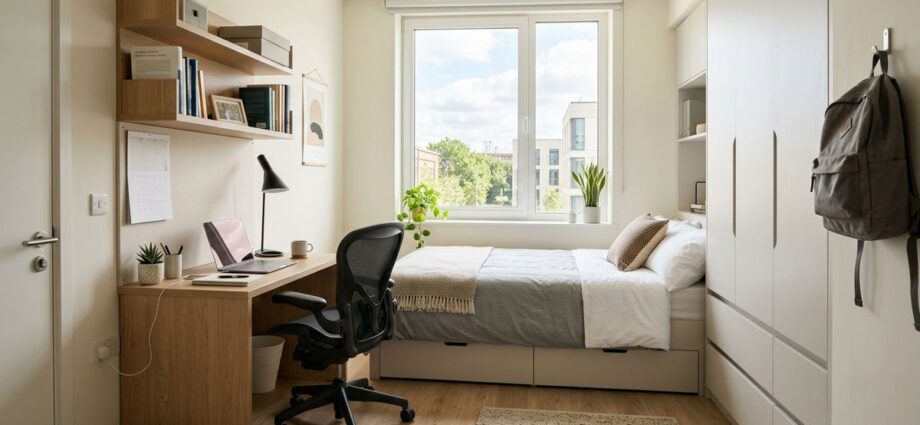
Many people who love teaching begin by helping one child at the kitchen table. Word spreads, and soon a neighbor asks whether a second child can join, then a third. A small home tutoring room can grow from that informal start into a steady service, but it changes the household in ways that are easy to underestimate. The room needs to be calm, the schedule needs to be fair, and the family living there needs its own time and space. A thoughtful plan keeps the work pleasant for the tutor, the students, and everyone who shares the home.
This article offers general guidance for a one-person tutoring service run from a room in the home. It does not cover business registration, child protection checks, or insurance requirements, which vary by location. Before you welcome students who are not your own, speak with a qualified local advisor about the rules that apply to you and make sure your home is suitable for visitors.
Choosing and preparing the room
The best tutoring room is quiet, well lit, and free from constant interruptions. A spare bedroom, a dining room used only in the evening, or a corner of a study can work well. Test the space at the times when lessons will take place, because a room that feels calm at noon may echo with traffic or television noise at six in the evening. Check the lighting too. Bright overhead light with a warm lamp often helps young learners concentrate without tiring their eyes.
Keep the furniture simple and comfortable. A table at a height that suits the students, sturdy chairs, and a shelf for books and worksheets are usually enough. Remove distractions such as loose toys or a television that can be seen from the work area. Many teachers find it helpful to keep a small box of materials for each student, so that lessons begin quickly and the room looks organized from the first moment a child walks in.
Setting clear boundaries with the household
Tutoring at home means the family and the lessons share the same walls. Talk with everyone who lives in the house about the lesson times and the rules for the room. Agree on whether the room is off limits during sessions, how noise will be managed, and where family members should wait if they collect a child early. A simple sign on the door or a short note on the calendar can reduce interruptions without causing tension.
Protect your own privacy and the privacy of your household. Parents often ask for personal details about the tutor’s life, and it is reasonable to keep the conversation focused on learning. Keep family photographs, personal mail, and private documents out of sight during lessons. Clear boundaries make the room feel professional without feeling cold, and they help children understand that the lesson time has its own rules.
Planning the schedule for a few students
- Limit the number of students in the room at the same time
- Leave a short gap between lessons for tidying and preparing
- Keep one evening or weekend block free for the family
- Plan a break in the middle of longer sessions for stretching
- Review the timetable each term and adjust for school holidays
A small group of students is easier to manage than a crowded room. Many tutors find that a limited number of sessions each day protects the quality of their teaching. Fatigue sets in quickly when lessons follow one another without a pause, and a tired tutor cannot give every child the attention they deserve. Build the timetable around your energy, not only around the parents’ requests, and be willing to say no to extra slots that would make the day unmanageable. Readers may also want to visit igiveonline.com.
Each student is different, so plan some flexibility into the timetable. A child who finds reading difficult may need a longer session, while another may finish their work early and be ready for a short challenge. Keep a note of these needs so that each lesson starts from the right place. You can also visit Where the young learn to fly for more reading.
Keeping the teaching space healthy and safe
A home tutoring room should be safe for children at all times. Keep cables tidy, check that chairs are stable, and make sure the room has fresh air and a working light. Keep first aid supplies in a known place and know what to do if a child is unwell. If a student has a medical or learning need that you do not feel qualified to support, ask the parents to speak with the relevant professional and agree on a plan before the lessons begin.
Pay attention to your own health as well. Sitting for long periods, speaking loudly, and managing many emotions in a day can be tiring. Drink water, stretch between sessions, and keep a short break for a snack or a walk outside if the weather allows. A tutor who looks after their body and mind is far more patient and clear in lessons, which benefits every student in the room. For a related read on this site, see Reading Time Routines That Work Around a Working.
Finally, review the room and the routine every few months. Ask yourself which parts of the schedule feel smooth, which feel rushed, and whether the household is still comfortable with the arrangement. Community forums are a good place to compare experiences and to share fresh ideas about home tutoring. Use those ideas to refine your service, and keep the home as a place where everyone feels settled and respected.