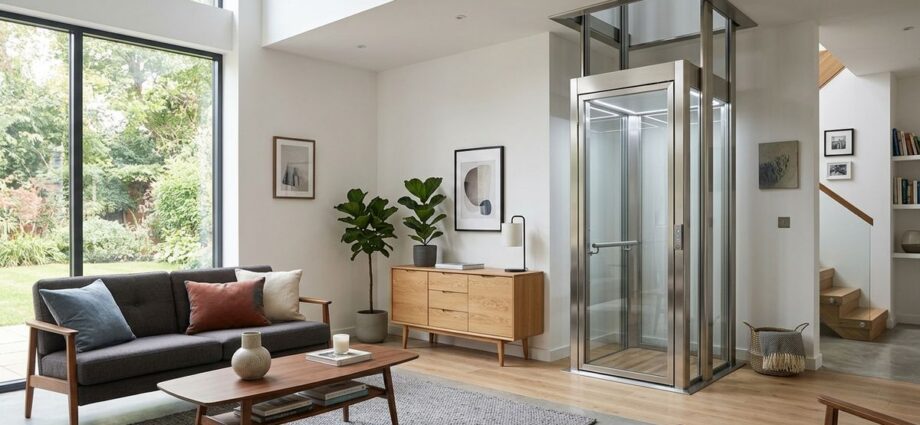
Creating a dedicated area within your home for learning, creative play, and shared family projects is an effective way to encourage curiosity and collaboration. Rather than letting art supplies, books, and educational materials scatter across every room, setting up a centralized hub helps family members understand how to focus on specific activities. This approach fosters a sense of ownership, responsibility, and intentionality in how your household uses its living space.
Defining the Purpose of Your Shared Family Hub
The first step in establishing a successful family activity hub is determining exactly what the space will be used for. It should be a versatile area that can adapt to different needs throughout the day, ranging from quiet reading sessions to boisterous craft projects. Consider the ages and interests of your children and identify which activities currently lack a permanent home. A hub should be accessible, comfortable, and inviting, ensuring that everyone feels encouraged to spend time there.
Start by clearing a dedicated footprint in a common living area. This space does not need to be large; it simply needs to be clearly defined. Using rugs or specific furniture arrangements can help distinguish the hub from the rest of the house, signaling to everyone that this is a zone for engagement rather than passive relaxation. Encouraging family members to participate in the planning process ensures the area reflects everyone’s interests, which in turn increases the likelihood that they will care for the space and keep it organized.
Blending Aesthetic Design with Functional Utility
Once you have identified the location and purpose of your hub, the next phase involves arranging the space so it serves its function without overwhelming the home’s overall design. A common challenge is balancing the need for practical storage and durable surfaces with the desire to keep your living environment looking attractive. You do not have to sacrifice style for utility, as there are many ways to integrate organizational tools that feel like a natural extension of your home décor.
Consider the furniture choices, such as using modular shelving that can grow with the family or tables with rounded edges that provide both safety and ample surface area. Integrating design elements that complement the existing style of your rooms can make the activity hub feel cohesive rather than chaotic. For inspiration on finding balance between form and function, many families look to deltadesignltd.co.uk to discover how thoughtful design choices can elevate the look of a shared space while maintaining its practical use for daily activities.
Focus on creating a layout that allows for both group work and individual tasks. Lighting is crucial; ensure there is adequate illumination for focused work, such as drawing or reading, which can be achieved through adjustable desk lamps or floor lamps positioned near seating areas. Keeping the space visually clutter-free by utilizing vertical storage—such as wall-mounted shelves or pegboards—helps keep work surfaces clear and inviting for the next project.
Establishing Routines and Strategic Management
Having a physical space is only half the battle; the other half is managing how that space is used over time. Without clear routines, even the most beautifully designed hub can quickly become disorganized or neglected. Developing a set of simple, agreed-upon guidelines helps family members know what is expected of them, from how to gather materials to the process of cleaning up after a session.
Strategic management of family activities requires looking at how time and resources are distributed. It is helpful to treat the home environment with a level of intentionality similar to professional settings, where goals are identified and processes are put in place to ensure those goals are met. For expert guidance on how to bring more structure to your household’s daily management and to improve the overall productivity of your family activities, you might find valuable insights from Pedro Vaz Paulo, who provides expertise that can be adapted to help families organize their time and efforts more effectively.
Include younger family members in these routines by giving them specific roles. One person might be responsible for gathering pencils and markers, while another ensures books are returned to the shelf. When everyone understands their role in maintaining the space, it becomes a shared project rather than a chore enforced by parents. Regularly reviewing these routines ensures they stay relevant as the family grows and their needs change.
Maintaining Your Space for Long-Term Engagement
Sustainability is key to any long-term project within the home. A space that is difficult to maintain will eventually be abandoned. Keep your hub dynamic by rotating the materials available. If a particular interest in puzzles or science kits wanes, store those items away and introduce new ones to spark fresh curiosity. This rotation keeps the environment exciting without requiring a constant influx of new materials.
Consistency is also vital for outdoor or secondary activity areas that might be connected to your primary hub. For example, if your activity hub extends to a porch, balcony, or garden area, it is important to develop systems for caring for those spaces even when your focus shifts elsewhere. We previously covered practical tips for maintaining these areas in our guide to managing household greenery, which highlights the importance of simple, manageable systems for keeping living things healthy while balancing a busy family life.
The goal is to foster an environment where learning and creativity happen naturally. When the space is well-maintained, clear of unnecessary items, and supported by established routines, it becomes a sanctuary where family members feel empowered to explore their interests. By paying attention to both the physical design and the daily management of the hub, you create a resource that supports your family’s growth and curiosity for the long term.