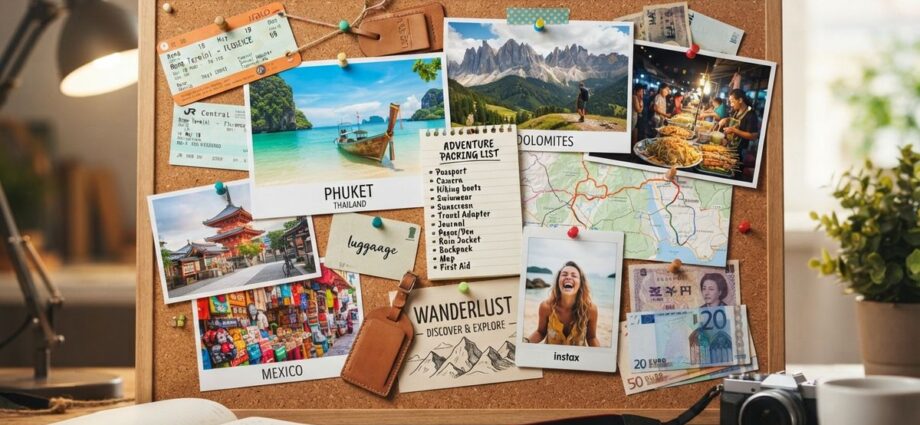
Family travel is far more than simply moving from one place to another. It serves as a powerful educational tool that broadens horizons, fosters adaptability, and strengthens the connections that hold families together. When parents and guardians take the time to intentionally involve children in the preparation process, they transform a standard vacation into a profound, shared experience that builds lasting memories and valuable life skills.
Exploring Geography Through Shared Planning
The journey often begins well before leaving the house. By treating the planning stage as a collaborative project, you can help children develop a deeper understanding of the world around them. Instead of simply dictating the itinerary, consider spreading out maps or utilizing digital resources to explore the route together. Discuss the various terrains, the distances involved, and the different cultures you might encounter along the way.
Encourage children to pick a specific interest, such as local wildlife, historical structures, or traditional foods, and ask them to find one or two facts about these topics in the destination. This simple act of involvement turns the travel route from a series of abstract lines on a map into a tangible adventure. It teaches them that preparation is the foundation for any successful endeavor, whether at home or halfway across the globe.
Cultivating Curiosity and Cultural Awareness
True discovery requires a curious mind. Before embarking on your journey, spend time discussing the importance of observing new environments with respect and openness. Encourage children to ask questions about why people live in certain ways or why local customs might differ from their own. This helps them understand that there are many valid ways of viewing and experiencing the world.
Developing this awareness often involves a shift in perspective. Teach children to look for the beauty in the ordinary routines of others, rather than just the major tourist attractions. You might encourage them to keep a small journal to document these observations. Consider these simple practices to help them stay engaged:
- Try learning a few basic phrases in the local language together before you depart.
- Sample a local food or dish before arriving to pique their interest in new flavors.
- Identify a traditional craft or activity from the region to try out during your visit.
- Practice active listening when interacting with new people to show genuine interest.
Mastering Logistics and Travel Safety
A smooth trip relies on careful attention to logistics and a clear understanding of safety protocols. When children are involved in these discussions, they develop a sense of responsibility and feel more secure in their surroundings. It is vital to maintain open lines of communication about expectations and emergency contact procedures, ensuring that everyone feels prepared for unexpected situations.
For families who may be coordinating travel arrangements involving other family members or extended guardians, being thorough is key. This includes preparing necessary documentation for safe travels, which helps streamline the process and provides peace of mind for everyone involved. Taking the time to handle these details properly ensures that the focus remains on the joy of the journey rather than the stress of missing information.
Selecting Experiences That Build Lasting Memories
Choosing the right activities requires balancing excitement with meaningful engagement. A successful family trip often incorporates a mix of active exploration and quiet moments of reflection. For families looking for structured, yet adventurous outings, grenadajeeptours.com offers a variety of ways to explore new terrain that can teach children about local landscapes and environmental stewardship. Their guided experiences can turn a simple day trip into a comprehensive learning opportunity.
For those who prefer to craft their own unique itineraries with more independence and confidence, bamboocompass.com provides comprehensive insights into various destinations. These resources can help families navigate the complexities of travel with greater ease and knowledge, allowing parents to focus on selecting activities that genuinely align with the interests and developmental stages of their children. The goal is to choose experiences that foster connection rather than just providing entertainment.
Fostering Reflection and Post-Trip Growth
The lessons learned during a journey often become most clear after returning home. Encouraging children to reflect on their experiences helps solidify the educational value of the trip. You might hold a family conversation to discuss what everyone found most surprising or what they would choose to do differently next time. This reflection process teaches children to evaluate their own experiences and think critically about their personal growth.
Reflecting on your travels also serves as a way to integrate the lessons learned into everyday life. Whether it is a newfound interest in a specific type of plant, a deeper appreciation for a different culture, or simply an increased sense of self-confidence, these takeaways should be celebrated. By discussing these changes, families can continue the spirit of discovery and learning long after the final bags have been unpacked, ensuring that the impact of the journey continues to resonate within the household.
Meaningful travel is a journey within a journey. It is a commitment to seeing the world through a lens of curiosity and care. By planning together, engaging with new cultures, managing safety with diligence, and selecting activities that truly resonate, you provide children with the tools they need to navigate not only new destinations but life itself with a greater sense of perspective and purpose.