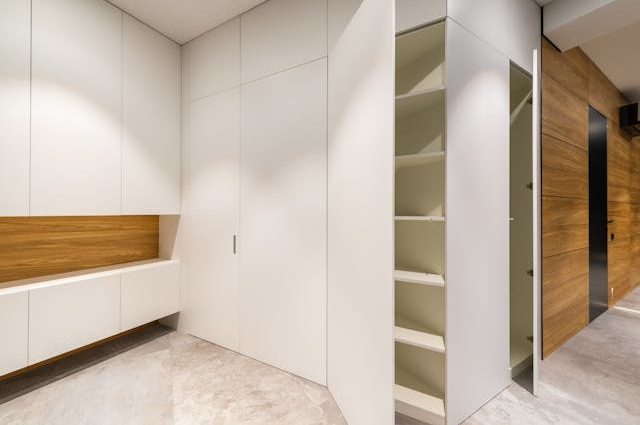
Designing new closets for kids is about far more than adding shelves and hangers—it’s about creating organized, adaptable spaces that grow alongside your child. From toddlerhood to the teenage years, children’s closets can either become daily stress points or supportive systems that encourage independence, creativity, and calm. With thoughtful planning, a kid-friendly closet can simplify mornings, protect favorite items, and even teach valuable life skills like organization and responsibility.
Kids Closets in Main Line PA often need to work harder than average because many homes balance charm with limited square footage. That’s why modern kid-closet designs focus on smart layouts, vertical storage, and flexible components. Adjustable shelves and rods allow you to reconfigure the space as your child grows taller and their wardrobe changes. A closet that fits onesies today should be able to handle sports uniforms, school clothes, and hobby gear tomorrow—without a total overhaul.
One of the most important elements of NJ Kids Closets is accessibility. When kids can reach their clothes, shoes, and accessories on their own, they’re more likely to put things away and feel confident choosing outfits. Lower rods, pull-out drawers, and open cubbies keep essentials within reach. Clear bins or labeled baskets help younger kids recognize where items belong, while older kids appreciate designated zones for school, sports, and weekend wear.
Safety and durability are also key considerations. Children’s Closets should be built with sturdy materials and secure hardware to handle daily use (and the occasional climb). Rounded edges, anchored shelving, and soft-close drawers reduce the risk of accidents. Choosing finishes that are easy to clean—like wipeable laminates or durable wood veneers—helps parents keep the space looking fresh, even through spills and scuffs.
As kids grow, their interests and storage needs change. Mudrooms often become part of this evolving storage strategy, especially in busy households. A preschooler may need room for costumes and toys, while a middle schooler needs space for backpacks, shoes, and extracurricular gear. Teenagers often want privacy and personal style reflected in their closet, whether that means dedicated shoe storage, jewelry organizers, or space for tech accessories. Designing with modular components makes it easy to adapt the closet without starting from scratch.
Color and personality matter, too. While neutral bases keep the closet timeless, pops of color—through bins, drawer fronts, or wall accents—can make the space fun and inviting. Letting kids have a say in certain design choices helps them feel ownership over the space, which often leads to better organization habits. Even simple touches like chalkboard labels or themed storage can turn cleanup into something less daunting.
Another often-overlooked benefit of a well-designed kids’ closet is how it supports the whole household. When children’s belongings are organized and contained, bedrooms feel calmer and shared spaces stay tidier. Mornings become smoother, bedtime cleanup is faster, and parents spend less time hunting for missing shoes or uniforms. Over time, these small wins add up to a more functional, peaceful home.
Investing in new closets for kids is really an investment in daily ease and long-term flexibility. With smart design, safe materials, and room to grow, a children’s closet can evolve with your family’s needs—supporting independence, reducing clutter, and making everyday routines simpler. Whether you’re updating a single reach-in or rethinking storage for a shared room, the right closet design can make a meaningful difference in how your child—and your home—functions every day.