During the teenage years, clothing becomes much more than a routine daily choice. For young people, what they wear often functions as a visual language to communicate their emerging identity, signal peer affiliations, and test personal boundaries. Parents and guardians frequently find themselves caught off guard by rapid shifts in their teenager’s wardrobe preferences, wondering how to balance respect for individuality with practical considerations.
Rather than viewing these evolving tastes as a battleground, families can treat personal style as a collaborative developmental journey. When caregivers offer guidance without unnecessary control, teenagers learn how to make thoughtful decisions about self-presentation. Supporting a young person through this phase requires patience, curiosity, and an understanding of the social world they navigate every day.
Understanding the Urge to Follow Fashion Trends
Adolescence is defined by a dual desire to stand out as an individual while simultaneously fitting into a community of peers. Modern fashion trends move quickly through digital channels, creating intense social awareness around specific silhouettes, colors, and aesthetics. When teenagers express an interest in a sudden style shift, they are often attempting to participate in a shared cultural conversation rather than merely acting on impulse.
Parents can foster mutual respect by taking an active interest in what captures their teen’s attention. Instead of dismissing a new look as strange or impractical, ask open-ended questions about what elements appeal to them. Exploring resources together helps demystify current aesthetics and transforms an impulse into intentional design thinking. For young people interested in discovering trending aesthetic ideas and contemporary wardrobe inspiration, browsing collections on luvlybeauty.com offers an accessible starting point to discuss how modern styles evolve.
Encourage your teen to view trends as suggestions rather than strict rules. Helping them identify which colors, textures, and cuts genuinely feel comfortable allows them to curate looks that align with their authentic personality, preventing them from feeling pressured to buy every viral item that appears on their feeds.
Separating Celebrity Influence from Everyday Wardrobes
Teenagers are exposed to an endless stream of red carpet appearances, international designer launches, and high-glamour imagery. While these visual spectacles can be exciting, they often blur the distinction between theatrical presentation and functional everyday attire. Young people may struggle to understand why an outfit worn by an entertainer on stage is impractical for a typical school day.
Caregivers can use celebrity fashion as a powerful teaching tool for media literacy. Explain that famous figures work with professional styling teams, specialized lighting, and tailored garments designed specifically for photography. When teens examine global fashion culture and dramatic designer creations on celebritycurry.com, parents can invite them to deconstruct the artistry behind those designs while keeping daily practicalities firmly in mind.
This analytical perspective empowers teenagers to extract creative inspiration without feeling inadequate. A teen might appreciate the bold color blocking or vintage silhouette of an elaborate outfit and adapt that inspiration into a simple jacket or accessory that fits their routine. By learning to distinguish between performance wear and real-life clothing, adolescents cultivate realistic expectations and a healthier relationship with personal image.
Balancing Creative Expression with Practical Settings
While weekends and casual gatherings offer complete freedom of expression, young people must also learn to navigate environments with defined expectations. Classrooms, community volunteer projects, and early employment settings each have unique standards of decorum. Helping teenagers understand context prevents friction at school and prepares them for future responsibilities.
Framing dress codes as contextual awareness rather than personal restriction is key to avoiding power struggles. Explain that adapting attire to specific environments demonstrates respect for the setting and the community members within it. For families seeking deeper strategies on helping adolescents understand decorum in professional or formal environments, our earlier guide to teen personal grooming provides practical recommendations for mentoring young adults through these transitions.
Encourage teens to maintain their signature personal touch even when adhering to guidelines. A creative pin on a backpack, an expressive watch, or a distinctive pair of socks can preserve individuality within structured settings. This balance teaches young adults how to honor communal norms while retaining their creative voice.
Practical Steps to Build a Versatile and Affordable Wardrobe
Developing personal style does not require an endless stream of purchases. In fact, learning to work within constraints often sparks greater creativity. Teaching adolescents how to build a flexible wardrobe helps them develop organizational skills and thoughtful consumer habits that serve them well into adulthood.
Families can establish practical routines that make wardrobe planning enjoyable, collaborative, and budget-conscious:
- Take inventory of existing staples before shopping to identify genuine wardrobe gaps.
- Encourage combining secondhand and vintage garments with everyday basics to foster creative originality.
- Establish a clear seasonal apparel budget that adolescents help plan and track.
- Prioritize comfortable fabrics and durable construction over recognizable designer logos.
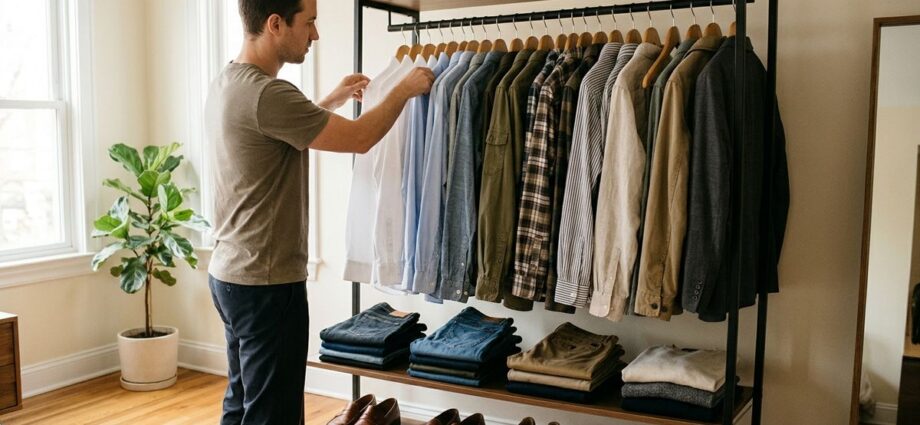
When teenagers take ownership of maintaining and organizing their clothing, they gain a deeper appreciation for their belongings. Teaching them basic garment care, such as reading laundry care tags and hanging up delicate fabrics, extends the lifespan of their favorite pieces and reinforces personal responsibility.
Fostering Open Conversations About Body Image and Self-Esteem
Wardrobe choices are intimately tied to body image, a sensitive subject for many growing adolescents. Physical changes, combined with social comparisons, can make shopping trips emotionally charged experiences. When an item does not fit as expected, teenagers may quickly internalize the frustration and blame their own bodies.
Parents can counteract this pressure by reframing how clothing fit is evaluated. Remind your teen that clothing is manufactured to fit arbitrary standard measurements, and clothes are made to serve the person, not the other way around. If a garment feels restrictive or unflattering, the design is at fault, not the individual wearing it.
Praise your teenager for their kindness, creativity, curiosity, and practical skills rather than focusing comments solely on physical appearance. When discussing outfits, highlight how comfortable, confident, or authentic they appear rather than evaluating whether a garment makes them look taller or thinner. This supportive framework reinforces that true style stems from self-assurance and authenticity.
Guiding a teenager through the world of personal fashion is an ongoing process of collaboration and discovery. By offering thoughtful guidance, validating their interests, and keeping communication channels open, parents help young people develop a distinct sense of self. When teenagers feel supported at home, they can step out into their communities with confidence, knowing their worth is defined by their character rather than transient fashion cycles.