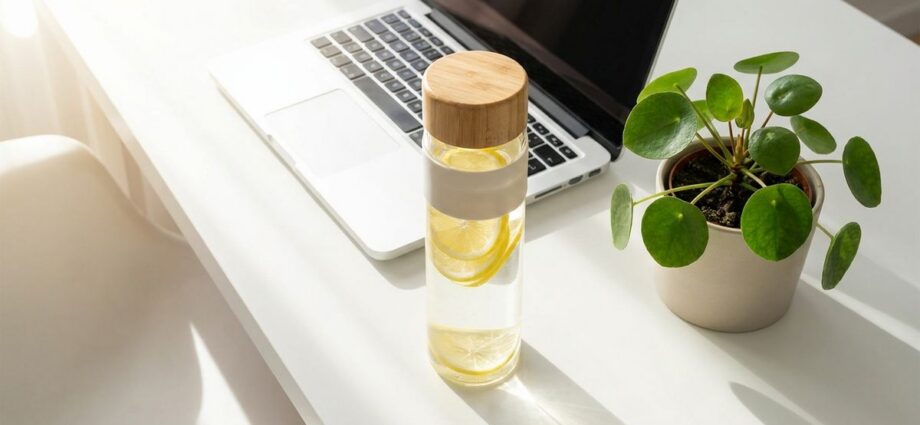
A reusable water bottle is convenient when it is clean, dry, intact, and easy to take along. Without a routine, bottles linger half-full in bags, lids collect residue, and cupboards fill with mismatched parts. A short wash-and-return cycle keeps a manageable set in service and reduces the temptation to buy another bottle whenever one goes missing.
Materials and lid designs vary, so begin with the maker’s care instructions. Readers may also want to visit Pettagspro.org.
Empty and inspect after use
Do not repeatedly top up old water without checking the bottle. Empty remaining liquid, remove the lid, and inspect the mouth, threads, straw, valve, gasket, and interior. Look for residue, odour, damage, or parts that no longer fit securely.
If the bottle held anything besides plain water, clean it promptly according to the instructions. Sweet, milky, powdered, or flavored drinks can leave residue in narrow channels. Some bottles are intended only for certain beverages or temperatures. Using them outside those limits can damage the bottle or create a safety risk.
Retire bottles with sharp edges, deep cracks, flaking surfaces, persistent contamination, or unreliable closures. A leak near electronics or important papers can cause more trouble than replacing an unsafe container.
Disassemble only as intended
Remove washable gaskets, straws, and valves only if the design allows and you know how to reinstall them. Work over a clear surface so small seals do not disappear down a drain. Take a quick photograph of the assembled lid if the arrangement is unfamiliar.
Wash every approved component using the recommended method and tools that can reach inner surfaces without scratching them. You can also visit animals-photos.net for more reading.
Follow a consistent sequence:
1. Empty the bottle and inspect all surfaces.
2. Disassemble approved removable parts.
3. Wash the body, lid, seals, and straw thoroughly.
4. Rinse away all cleaning product.
5. Dry pieces separately with good airflow.
6. Reassemble only when fully dry and store open if advised.
Avoid sealing moisture inside. A bottle that looks dry at the rim may still hold water under a gasket.
Store complete sets together
Once dry, match lids, straws, and bodies. If several similar bottles use incompatible parts, mark the bases with a simple code. Store them where components can remain aired and where heavy bottles will not fall from a high shelf.
Keep the active collection modest. One or two bottles per regular user plus a suitable spare may be enough, depending on routines. Pass on clean, sound excess only if recipients want it and hygiene considerations allow. Recycle damaged parts through an appropriate local route when possible.
Create a departure cue. Place a clean bottle near lunch containers, add it to a packing checklist, or fill it shortly before leaving. Do not keep a filled bottle indefinitely in a hot vehicle or other unsuitable environment.
Review lids and habits periodically
Check gaskets, valves, coatings, and insulation performance according to the maker’s guidance. Order genuine compatible replacement parts when available rather than forcing a near match. Record which bottle belongs to whom in shared settings to reduce accidental swapping.
If bottles regularly return unfinished or are difficult to clean, reconsider size and lid style. A simpler wide-mouth design may fit the user’s habits better. For children or people with swallowing, grip, or health needs, seek appropriate professional advice about a suitable drinking setup.
For a related read on this site, see Helping Children Learn Daily Dog Care and Gentle. A complicated kit can become another source of residue.
Bottle readiness is a loop: empty, inspect, wash, dry, match, and return. When that loop happens soon after use, the bottle is more likely to support ordinary hydration and less likely to become an unpleasant surprise at the bottom of a bag.
Make the routine workable outside the home. At work, school, or a day venue, empty the bottle appropriately and bring every lid component back. If full washing must wait, keep the bottle open only where that is clean and safe, then clean it promptly at home. A dedicated transport pocket helps contain leaks but should also be inspected and washed when spills occur.
Avoid sharing bottle mouths or straws casually, especially during illness. If a bottle is borrowed, clean it thoroughly before and after according to its instructions. Personal labels can reduce mix-ups at group activities, but use a mark that does not reveal unnecessary information in public.