Teaching children about the origins of their food is one of the most rewarding educational journeys a family can undertake together. It shifts the focus from simply consuming meals to appreciating the natural rhythms that bring food from the earth to the table. When children begin to understand the seasonal cycles, they develop a deeper appreciation for nature, patience, and the hard work involved in food production. This understanding fosters a stronger connection to the community and the environment, which is a valuable lesson for children as they grow.
Observing Seasonal Changes Together
The first step in understanding these cycles is simply spending time observing the natural environment. The shifts in the seasons are not just changes in temperature, but dynamic events that influence every aspect of our lives, including the availability of different foods. By stepping outside and observing these transitions, children can begin to notice how the plants and the land respond to the changing daylight and weather patterns. These observations lay the foundation for all further discussions about food.
When families make a habit of visiting local natural spaces, they see firsthand how nature prepares for different seasons. When you take the time to Explore three distinct family nature stops, you help your children understand the connection between the changing environment and their own lives, seeing how the land remains a living, breathing teacher throughout the year.
Encourage your children to ask questions about why trees drop their leaves in the autumn or why certain plants bloom only in the spring. These questions are the seeds of scientific curiosity. When they understand that certain fruits and vegetables are naturally available only at specific times, they start to see their meals as a part of a larger, ongoing cycle rather than something that is just always available on a grocery shelf.
Learning About Ingredient Sourcing
Once children understand that food follows a seasonal path, the next logical step is to explore where our ingredients come from and how they are processed. In a world of highly processed snacks and convenience foods, it is easy for children to become detached from the reality of food production. Learning about simple, wholesome ingredients allows children to appreciate the natural flavor and quality of what they eat.
Many families find that learning about local, traditional methods of food production is both engaging and enlightening. Resources such as Meadow View Sugar House provide valuable perspectives on how specific natural ingredients are produced and the importance of understanding the sources of what we eat. Seeing the transformation of raw materials into a finished food product can be a powerful lesson in simplicity and tradition.
This process also teaches children that good food often requires time and care. Whether it is understanding the effort it takes to harvest a garden crop or the process behind making a natural sweetener, these stories help children respect the labor and time invested in their food. This perspective can turn an ordinary meal into a discussion about community, agriculture, and the value of patience in our modern, fast-paced world.
Practical Kitchen Science for Kids
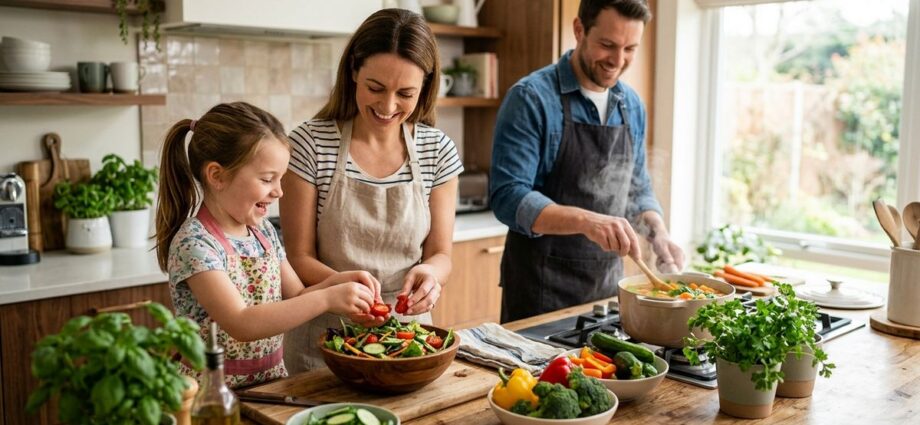
Bringing these lessons into the kitchen is the best way to solidify them. The kitchen is, in many ways, the most accessible science laboratory in your home. By cooking together, you turn theoretical knowledge about seasonal produce and ingredients into practical, hands-on experience. This not only teaches children basic culinary skills but also reinforces the lessons about the ingredients they are using.
To make the kitchen a place of learning, consider these simple activities:
- Seasonal ingredient identification: Pick one seasonal fruit or vegetable each week and research its origin and how it grows.
- Measuring and mixing: Allow children to help with basic tasks, using the experience to discuss how ingredients interact and change when heated or mixed.
- Taste testing: Encourage children to describe the texture and flavor of ingredients before and after cooking, helping them connect the natural product to the finished dish.
When children participate in the preparation of a meal, they are much more likely to show an interest in the components of that meal. This is also a perfect time to talk about the importance of using fresh, high-quality ingredients, further reinforcing the connection between the seasonal cycle you have observed outdoors and the food on their plate.
Cultivating Mindful Eating Habits
As children learn more about their food, they naturally begin to develop a more mindful approach to eating. Mindfulness in this context means paying attention to what we are eating, where it came from, and how it makes us feel. This approach is much more effective than focusing on rigid rules or restrictions, which can often be counterproductive for young learners.
Guidance from experts like The Candid RD can help parents navigate conversations about healthy choices and balanced nutrition in a way that is accessible for young children. When families focus on the quality and the story behind the food, the discussion around nutrition becomes more positive and less focused on external judgments.
Building these habits takes time, and the goal is to encourage a lifetime of positive interactions with food. By modeling these habits yourself—showing excitement about seasonal ingredients, taking time to enjoy meals without distractions, and talking about food in a balanced way—you provide a strong example for your children to follow.
Creating Lasting Family Traditions
Ultimately, the goal is to create family traditions that celebrate these seasonal cycles. These traditions do not need to be complicated or time-consuming. They can be as simple as a regular trip to a local farmers market when a new crop is in season, a tradition of preparing a specific seasonal soup in the autumn, or a ritual of planting a small garden bed each spring.
These shared experiences are what children will remember as they grow into adulthood. When you integrate these practices into your family life, you are not just teaching them about food; you are building a shared vocabulary and a set of values that center on community, appreciation for nature, and the importance of coming together as a family.
This long-term perspective is the most significant benefit of teaching children about seasonal cycles. It equips them with the knowledge to make thoughtful choices and the emotional connection to appreciate the world around them, ensuring that they carry these values forward throughout their own lives.