
Sport gives children fitness, friends, coaches who believe in them and a reason to show up. It also costs money, and the cost decides who gets to play.
The gap in numbers
In 2019, RAND published “Who Plays, Who Pays? Funding for and Access to Youth Sports”, a study commissioned by the DICK’S Sporting Goods Foundation that surveyed around 2,800 parents, public school administrators and community sports program leaders. It found that 52 percent of children in grades 6 to 12 from lower-income families played sports, compared with 66 percent of those from families earning $50,000 or more.
Cost drove much of that gap. RAND reported that 42 percent of lower-income families cited financial costs as a reason their child did not participate, against 35 percent of families overall. About 63 percent of public school administrators said school sports funding had stayed flat or fallen.
Spending has kept rising
The price of playing has climbed since. The Aspen Institute’s Project Play, with researchers at Utah State University and Louisiana Tech University, surveyed 1,848 parents in late 2024. Families spent an average of $1,016 on a child’s primary sport that year, a 46 percent increase over five years. Registration fees, travel and lodging, camps and private coaching drove most of the rise.
“Youth sports inflation is out of control and no segment of the population is untouched,” said Tom Farrey of the Aspen Institute.
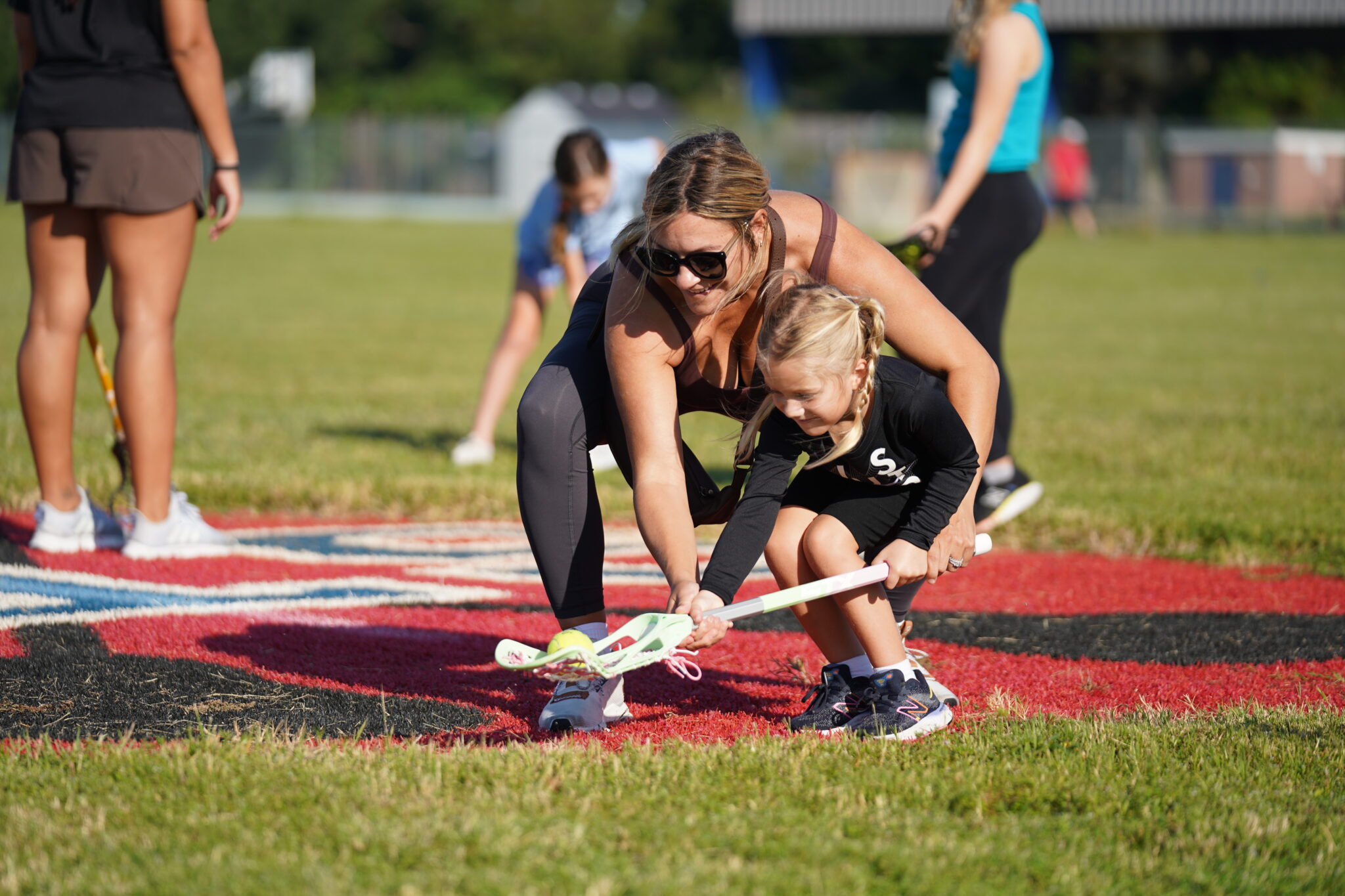
Families at the top of the income scale can absorb that. Families at the bottom often cannot, and children drop out, not for lack of interest or talent, but because the season became unaffordable.
Where help is coming from
Schools, parks departments and non-profits have long filled part of the gap. A newer group of organisations is trying to lower costs from inside the youth sports business itself.
Signature Athletics, a Tampa company that runs uniform stores, sponsorship programs and community sports clubs, has set a goal of getting 10 million new kids playing sports by 2030. Its CEO, Dan Soviero, has put the target plainly: “Our goal at Signature Athletics is to cut the cost of youth sports in half.”
The company works on the problem at several points, according to its own descriptions:
- Uniform rebates. Programs using its Signature Locker stores earn 10 percent of each order back, which they can use to cover gear for a family that cannot pay.
- Sponsorship. Signature Media sells sponsorships across many programs and says a portion is designed to flow into scholarships or lower registration fees.
- Free access days. The Signature Foundation, a 501(c)(3) non-profit, runs free Try Sports Days where children can sample several sports with no registration fee or prior experience.
- Scholarships. Its Back2Sports Scholarship Fund is designed to help children in partner programs who might otherwise stop playing because the cost got too high.
What families can do now
- Ask about scholarships and payment plans. Many clubs offer them without advertising widely.
- Start with recreational leagues. Travel teams drive much of the cost increase.
- Buy used or swap equipment for fast-growing children.
- Look for free sampling events before committing to one sport.
The gap RAND measured is not a gap in desire. Children from every income bracket want to play. Closing it means lowering the price of the season, and every organisation that touches that price has a part to play.