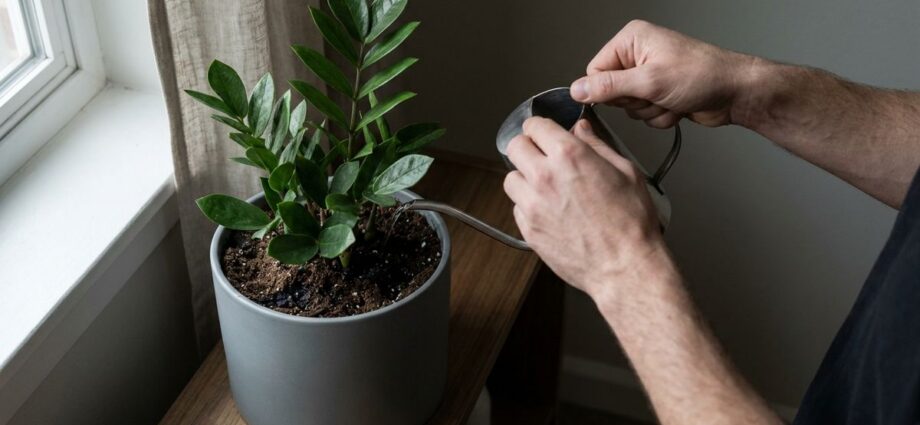
A family trip can leave a garden thirsty within a few days, especially in warm weather. Beginners often worry that a single week away will ruin months of work, but most beds handle a short break with a little planning. The questions below cover the practical steps that keep plants healthy while the household is away.
Good preparation starts a few days before departure, not on the morning of the trip. The sections that follow move from understanding the problem to arranging help and returning to a garden that needs a gentle reset.
Why Garden Beds Need Attention Before You Leave
Timing matters as much as amount when a bed is left alone. Watering early in the morning gives plants a cool start to the day and lets water soak in before it evaporates. Late evening watering can also work in cooler weather, though wet leaves overnight may encourage disease in some crops. Choose the timing that suits your local conditions and stick with it for the whole trip.
Soil dries faster than most people expect, particularly in raised beds, containers and areas exposed to wind. Plants that were watered daily can wilt within a day or two once the routine stops. Mulch, shade and the type of soil all change how quickly moisture disappears. Walking the beds before leaving shows which plants look stressed already and which ones have plenty of reserve. Spotting trouble early makes the rest of the plan much easier to carry out.
Children often enjoy this check, since they can notice which leaves droop and which look fresh.
Which Plants Cope Best With a Dry Spell
Not every plant reacts the same way to a week without water. Deep rooted vegetables and established shrubs usually handle short gaps better than seedlings and leafy greens. Young transplants need the most attention, so they are the first to receive a deep soak before departure. Readers may also want to visit cbdjiaoyi.com. Grouping thirsty plants together also helps, because one watering session then covers the whole group.
Containers need extra care, since their small soil volume dries out quickly.
Setting Up a Simple Watering Plan
A simple watering plan works best when it is written down and easy to follow. Water deeply a day or two before leaving, so moisture reaches the lower roots rather than only the surface. Some gardeners place a timer on a hose or a drip line, though anything connected to a tap should be tested beforehand. You can also visit weborizon.info for more reading. Keep the plan on the fridge or in a shared note so everyone knows the routine.
Avoid watering in strong midday sun, because water can evaporate before the roots can use it.
Mulch, Shade and Other Quiet Helpers
Mulch is one of the most useful tools for holding moisture in the soil. A layer of straw, shredded bark or compost slows evaporation and keeps the soil cooler during a warm spell. Temporary shade cloth can protect delicate plants from the hottest part of the day. For a related read on this site, see Family Business Projects Across the School Year. Grouping pots beside a wall or fence also reduces wind exposure, which helps the soil hold water longer.
Each of these measures works best combined with the watering plan rather than used alone.
Asking a Neighbor or Relative to Check In
Someone nearby can turn a good plan into a reliable one. Ask a neighbor or relative to look at the beds once or twice during the trip, and agree in advance on what counts as a problem. Give them a simple sheet with the watering steps, the location of the hose and the spare key. Thank them with a small gesture when you return, because goodwill makes future favors easy to ask for. Make it clear that they should not feel pressured to water anything beyond the plan.
Coming Home to a Garden That Needs a Reset
On the first evening back, walk the beds slowly and look for wilted leaves, dry patches and any new weeds. Water thoroughly again, then wait a few hours before deciding whether a plant needs more attention. Remove dead material gently, and check container soil for hard crusts that repel water. Many plants recover within a few days once they receive steady moisture and shade.
Give the garden a few quiet days to settle before adding fertilizer or pruning.
A short checklist on the last evening saves a lot of worry. Confirm the timer is set, note the phone number of the helper, and leave a copy of the watering map on the fridge. Put a reminder in the calendar to check the soil on the first morning home. These small steps make the trip feel organized rather than rushed.
Preparation Makes the Return Easier
A little planning before a family trip keeps the garden steady while the household is away. Water deeply, protect the soil, and arrange a trusted helper who knows the plan. The return becomes calmer when the work has already been done, and the garden usually shows the effort in its first week back.