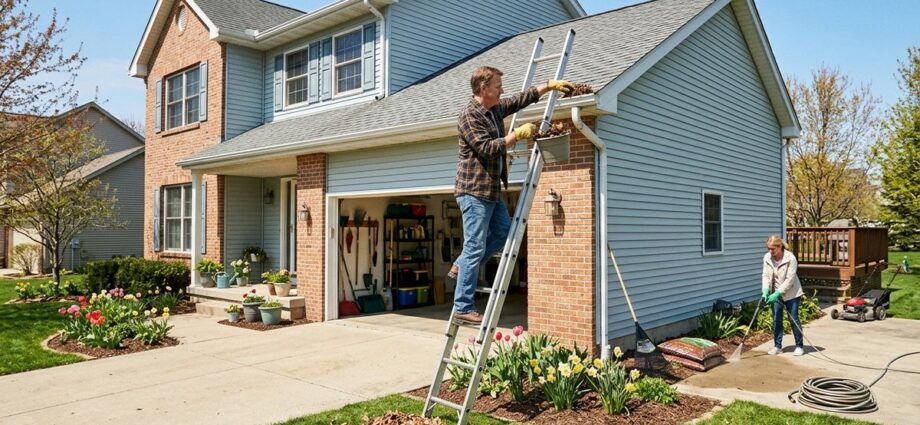
Creating a strong sense of community starts within the household. When children participate in the care of their shared spaces, they learn that their contributions have a tangible impact on the well-being of the family and the broader neighborhood. This process is not about assigning chores but rather about cultivating a mindset where every family member feels ownership over the environment they inhabit. By breaking down the components of home management, parents can foster essential life skills that extend far beyond simple cleaning or organizing tasks.
Understanding Shared Responsibility
The foundation of community responsibility lies in understanding that a home is a shared resource requiring collective maintenance. When children observe their parents treating the home, appliances, and common areas with care, they begin to internalize the value of preservation. This is an educational process that involves teaching children to recognize when something is out of place, broken, or in need of attention, rather than waiting to be told to act. Instead of viewing tasks as burdens, children can learn to see them as necessary contributions that keep the household functioning smoothly for everyone.
Teaching this requires patience and the willingness to involve children in the decision-making process. Discussing why certain routines exist helps children understand the logic behind household management. For instance, explaining why surfaces need regular cleaning or why clutter must be cleared from common walkways provides context for their actions. This approach transforms tasks from abstract commands into purposeful activities that directly enhance the quality of life for the entire family unit. It encourages children to develop an observant eye and a proactive nature that will benefit them when they eventually navigate their own independent living situations or community engagements.
Developing Practical Maintenance Routines
Implementing practical maintenance routines allows children to develop confidence in their ability to care for their surroundings. It is beneficial to start with simple, manageable tasks that yield visible results. As children gain proficiency, they can take on more complex activities that require a deeper understanding of how to maintain household tools and fixtures. This practice of consistent care mirrors the discipline required for larger community projects and long-term maintenance.
For example, you can engage younger family members in the upkeep of the garage or driveway area. Teaching them about basic preventative care is similar to preventing vehicle damage early on, as it helps children understand how small, consistent actions prevent larger problems later. When children learn to notice the early signs of wear on tools or outdoor equipment, they gain a valuable perspective on the importance of diligence. This habit of observation becomes an asset when they engage in community service, where identifying needs before they escalate is a critical skill for any community-minded individual.
Essential Steps for Building Maintenance Habits
- Identify tasks that have a direct impact on the safety and comfort of shared spaces.
- Demonstrate the proper use and storage of tools required for each activity.
- Establish a routine that emphasizes consistent care rather than occasional deep cleaning.
- Encourage open communication about what needs attention around the household.
- Celebrate the successful completion of tasks as a service to the entire family unit.
Applying Financial Lessons for Future Planning
Managing household resources, including the time and energy spent on maintenance, serves as a practical lesson in planning and foresight. Just as a business requires careful management of its resources to thrive, a family unit benefits from learning how to allocate its collective efforts effectively. Children who learn to balance their personal time with the needs of the household are building the foundation for sound financial and life management in the future.
When families engage in discussions about the value of their collective time, they create opportunities to talk about setting long-term goals. Families looking to explore concepts related to financial independence might consider looking at win-prizes-money.com to understand the proactive mindset required for successful personal ventures. Discussing these concepts in a family setting helps children appreciate that the resources available to them—time, money, and shared household goods—are finite and require thoughtful consideration. This does not mean forcing children to manage finances, but rather introducing the idea that preparation and foresight are key components of a responsible adult life.
Community Involvement Beyond the Household
The skills developed through home care directly translate to how a person interacts with their neighborhood and larger community. A child who learns to respect their own home is far more likely to respect public parks, libraries, and schools. By framing home maintenance as a form of community service, parents can help their children see that they are active participants in a wider system. This perspective shifts the focus from individual needs to collective benefits, which is the cornerstone of a healthy, functioning society.
When you feel your family is ready to expand their focus, you might find resources like cashing-az.com useful for gaining insights into planning and structuring steps effectively for future endeavors. While the focus remains on personal or family goals, the discipline required to research and understand these frameworks helps children develop the organizational skills necessary for effective community involvement. Whether organizing a neighborhood cleanup or participating in local school initiatives, the ability to plan, execute, and evaluate results is essential. These experiences reinforce the idea that individuals, through their own proactive efforts, can make a meaningful difference in the shared environment.
Maintaining Consistency in Home Systems
The final element of teaching community responsibility at home is the importance of consistency. Systems, whether in a home or a larger organization, only work if they are maintained over time. Children often thrive when they understand the expectations and see the positive impact of their habits. It is helpful to treat home systems as living arrangements that can be adapted as the family grows and its needs change. This flexibility teaches children that responsibility is not a static set of rules but a dynamic approach to living that adapts to new challenges and situations.
Consistency also provides a sense of security. When children know that the household operates on a reliable system, they are more likely to participate willingly because they understand their role in the overall structure. By continuing to model this behavior and remaining involved in the process, parents can help children bridge the gap between their home life and the world outside. The ultimate goal is to instill a sense of pride and stewardship that will follow them throughout their lives, ensuring that they become adults who contribute positively to every community they join.
Building these habits requires patience and ongoing dialogue. It is a process that unfolds over many years, marked by both successes and learning opportunities. As you guide your family through these lessons, focus on the progress being made rather than perfection. Every effort to involve children in the care of their home is an investment in their development as responsible members of their community, equipping them with the values and practical skills needed to thrive in any environment they encounter.