A little library on a front lawn looks simple, yet the books inside need steady attention. Donations arrive in grocery bags, boxes of old encyclopedias, and paperbacks with coffee stains. Without a plan, the shelf fills with damaged copies and titles nobody wants to read. A short sorting routine keeps the library welcoming, useful, and pleasant for neighbors of every age.
This article describes how a volunteer can sort donations, set standards, and keep the shelf fresh through the seasons. The steps are practical and need only a table, a few bins, and a clear checklist. Each decision protects the reader’s experience and keeps the library tidy for the people who stop by on foot. The method works for a single steward or a small group of neighbors.
Setting a Simple Acceptance Standard
Decide which kinds of books the library will accept before the first donation arrives. Many stewards accept paperbacks and hardcovers in readable condition, while turning away books with mold, missing pages, or heavy water damage. A short written standard hangs well on the shelf or the door, where donors can read it before they leave a bag. Clear rules spare everyone from awkward conversations at the doorstep.
Think about the audience as well, since a children’s section needs different titles than a shelf for adults. Check each standard again each spring, since neighborhood reading habits can change over time. Ask neighbors which genres they would enjoy seeing more often, and write the answers down. Readers may also want to visit usacommercedaily.com. Those suggestions can help the library reflect the real interests of the street.
Sorting Donations Into Clear Bins
Set up three bins near the table: keep for the shelf, recycle for paper, and pass along to a larger book drive. Look at each book quickly, check the cover and the first and last pages, and place it in the right bin. Work in small batches so the sorting does not stretch into a long, tiring afternoon. A simple rhythm keeps the process moving and the table clean.
Some donations need a second look before they are sorted. You can also visit mbceconomy.com for more reading. A book with a faded spine may still be fine for the shelf, while a torn cover may only need tape. Keep a small roll of clear tape and a pair of scissors nearby for quick repairs. Repaired books tend to last longer and look more inviting to passing readers.
Keeping the Shelf Balanced and Clean
Balance matters because a shelf with only mysteries or only cookbooks feels less inviting to a wide range of readers. Arrange the books by rough category, with children’s titles on the lower shelves where small hands can reach. For a related read on this site, see Choosing a Refurbished Phone for a Teenager’s First. Rotate the display every few weeks so the shelf does not feel static to regular visitors. Fresh arrangements encourage people to stop and browse.
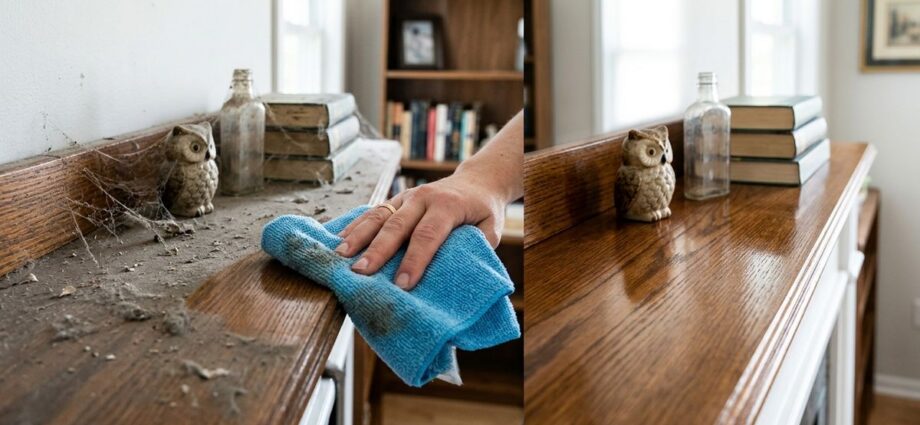
Dust the shelf and the glass or panel regularly, and check for moisture after rain. Damp paper invites mildew, so a simple cloth and a dry day can make a big difference. Remove any book that shows signs of mold, and keep it away from the rest of the stock. Cleanliness protects both the books and the people who handle them.
Handling Requests and Odd Donations
Some neighbors will drop off items that do not belong in a little library, such as magazines, catalogs, or incomplete sets. Politely explain the standard and suggest a better home for those items, such as a nearby recycling center or a community bin. A kind explanation keeps the relationship friendly and the shelf focused. Consistency is more important than making an exception for one donor.
Keep a notebook near the table to record unusual requests and feedback from visitors. Patterns in those notes often reveal what readers want, such as more graphic novels or more large-print titles. Use the notes to guide future donations rather than relying on guesses. A small record turns casual comments into useful planning. Thank donors for their generosity even when an item must be declined.
A Shelf That Keeps Inviting Readers
A neighborhood library works best when it stays honest about what it can offer and generous with the people it serves. A clear standard, a steady sorting routine, and a clean shelf make visits pleasant. Volunteers who enjoy the work often find that the library becomes a small gathering point on the block. The best libraries grow as naturally as the neighborhood around them. Start with one shelf and let the community shape it over time.